Dohany Street Synagogue History Timeline (1859-Present)
A structured timeline of the Great Synagogue in Budapest, including construction, war years, postwar period, and restoration milestones.
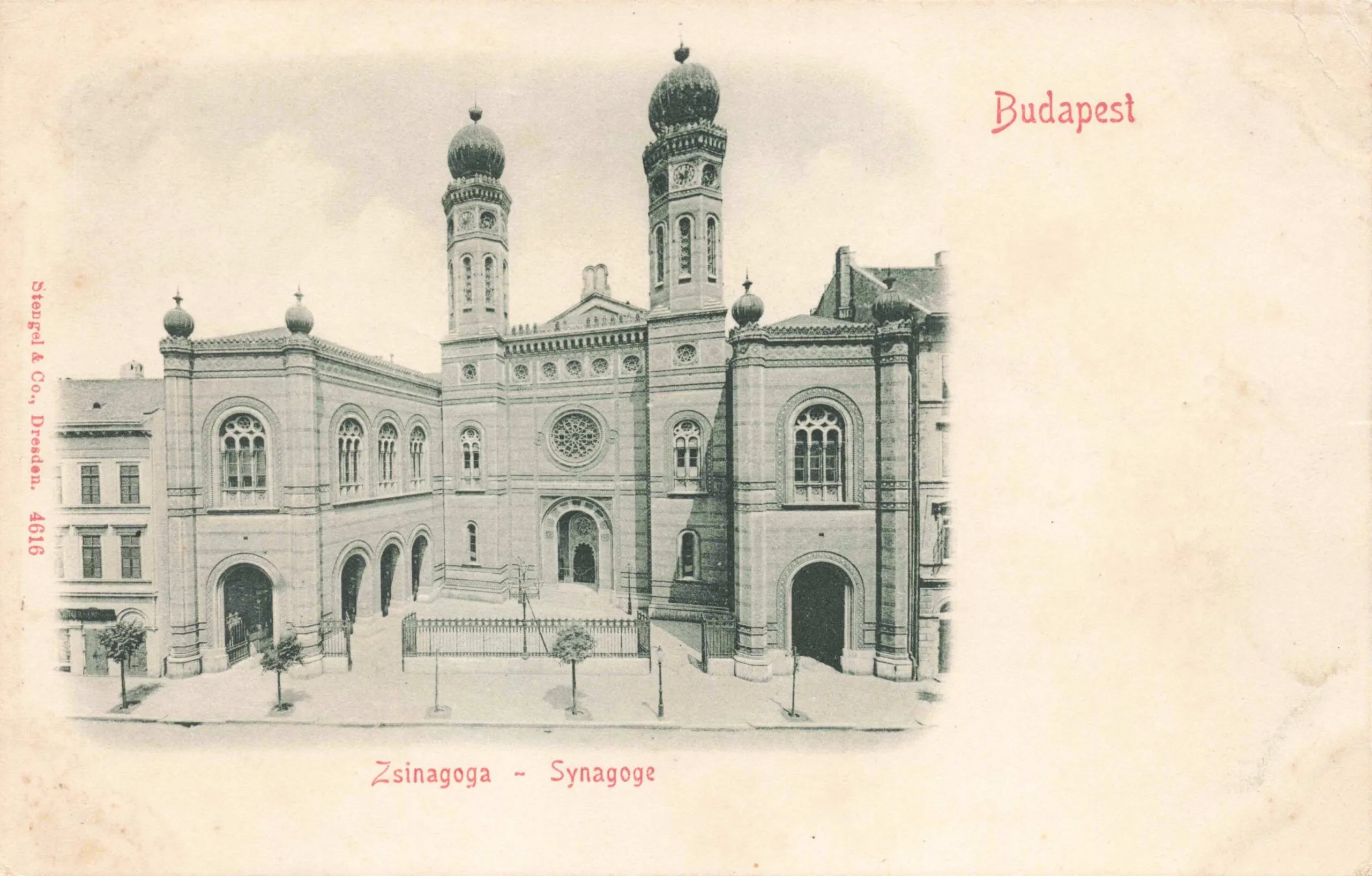
The Great Synagogue is not only a building; it is a layered historical document. Reading it chronologically helps you understand why the site blends grandeur and grief.
Timeline At A Glance
| Period | What Happened | Why It Matters |
|---|---|---|
| Mid-19th century | Construction and consecration | Symbol of a confident urban Jewish community |
| Late 19th to early 20th | Growth and social influence | Religious, civic, and cultural centrality |
| 1944-1945 | Ghettoization and catastrophe | Site linked to wartime persecution and loss |
| Late 20th century onward | Restoration and memorialization | Transformation into a major heritage space |
Reading History Inside The Complex
Use this sequence:
- Exterior and towers: civic ambition.
- Main hall: communal scale.
- Museum: continuity and rupture.
- Memorial park: names and absence.
Architecture can express confidence. Memorials can express fracture. This site contains both in one walk.
Three Historical Themes To Track
1) Belonging
The synagogue sits in central Budapest, not at the city margins. That location reflects a community deeply embedded in urban life.
2) Rupture
Wartime history is not an appendix here. It redefines how visitors read every room and artifact.
3) Recovery
Restoration work did not erase scars; it framed them, allowing educational and commemorative uses to coexist.
Mini Source Map For Visitors
- Material evidence: architecture, inscriptions, funerary markers.
- Curated evidence: museum labels, archival photos, ritual objects.
- Spatial evidence: sequence from sanctuary to memorial spaces.
[^1]: If a guided tour is available in your language, take it. Historical nuance is easy to miss when self-guiding quickly.
Om forfatteren

Budapest Heritage Editor
Denne guide er skrevet til rejsende, der vil forstå Dohany-gadens synagoge ud over et hurtigt checkliste-stop. Målet er at forene praktisk klarhed med historisk sensitivitet, så du kan besøge stedet med kontekst, respekt og ægte nysgerrighed.
Tags
Comments (0)
Loading comments...