Besuchszeiten10:00 AM – 06:00 PM
|Montag, Oktober 12, 2026Dohany utca 2, 1074 Budapest, Ungarn
Zurück zu culture
architecture
Inside Dohany Street Synagogue: Key Details And Hidden Highlights
Discover the interior details that make the Great Synagogue unique, including scale, ornament, lighting rhythm, and symbolic design choices.
1/24/2026
16 min read
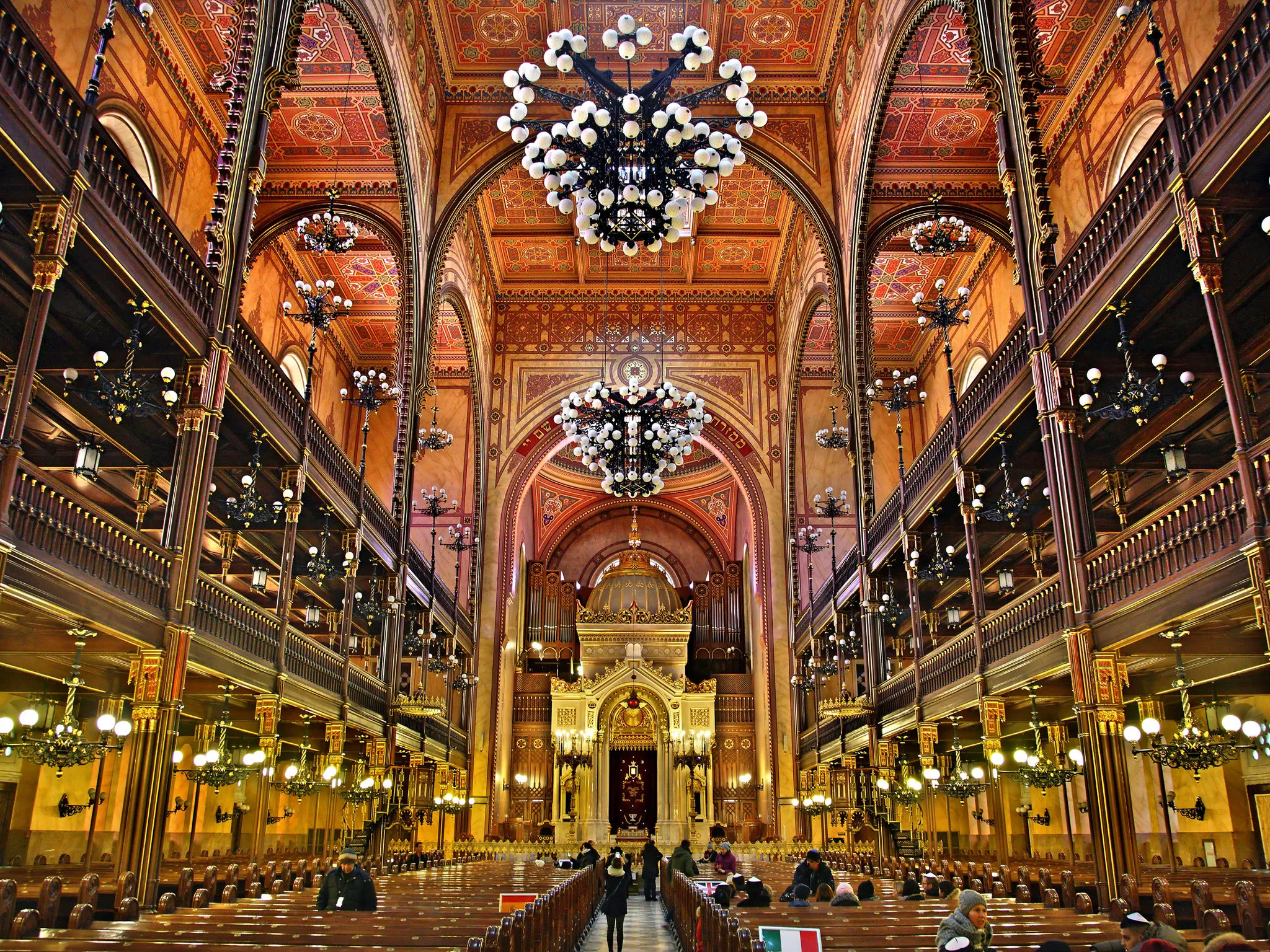
The main hall looks straightforward at first glance. In reality, it is full of layered design decisions that reward slow observation.
How To Read The Space
Start with this pattern:
- Stand still for one full minute.
- Scan from floor to dome.
- Track repeated shapes and colors.
15 Notable Details
- Strong axial symmetry from entrance to focal points.
- Repetition of arches as a visual tempo.
- Contrasting dark and gold accents.
- Controlled daylight that changes mood by hour.
- Height that expands the perceived volume.
- Gallery lines that frame processional movement.
- Ornamental density near key liturgical areas.
- Color rhythm between wall and ceiling elements.
- Decorative geometry echoing historic revival styles.
- Material contrasts that sharpen depth perception.
- Visual cues guiding the eye to ritual focal points.
- Threshold transitions between public and sacred zones.
- Acoustic effect of large enclosed volume.
- Chandelier placement as both light and symbol.
- Subtle wear marks that reveal long-term use.
Observation Checklist
- Look up before taking photos.
- Compare left and right gallery details.
- Notice how sound changes by location.
- Pause near the centerline for full perspective.
Short Reflection Prompt
Which element feels most monumental? Which feels most intimate? Write two lines before leaving.
Über den Autor

Budapest Heritage Editor
Dieser Guide richtet sich an Reisende, die die Dohany-Straßen-Synagoge nicht nur als schnelle Checklisten-Station sehen möchten. Ziel ist eine Verbindung aus praktischer Klarheit und historischer Sensibilität - für einen Besuch mit Kontext, Respekt und echter Neugier.
Tags
Interior
Architecture
Symbolism
Budapest
Synagogue
Comments (0)
Leave a Comment
Loading comments...