開館時間10:00 AM – 06:00 PM
|月曜日, 10月 12, 2026Dohany utca 2, 1074 Budapest, Hungary
戻る: culture
museum
Hungarian Jewish Museum Guide At Dohany Street Synagogue
Plan a meaningful museum visit with a room-by-room strategy, essential artifact themes, and pacing advice for first-time visitors.
1/28/2026
17 min read
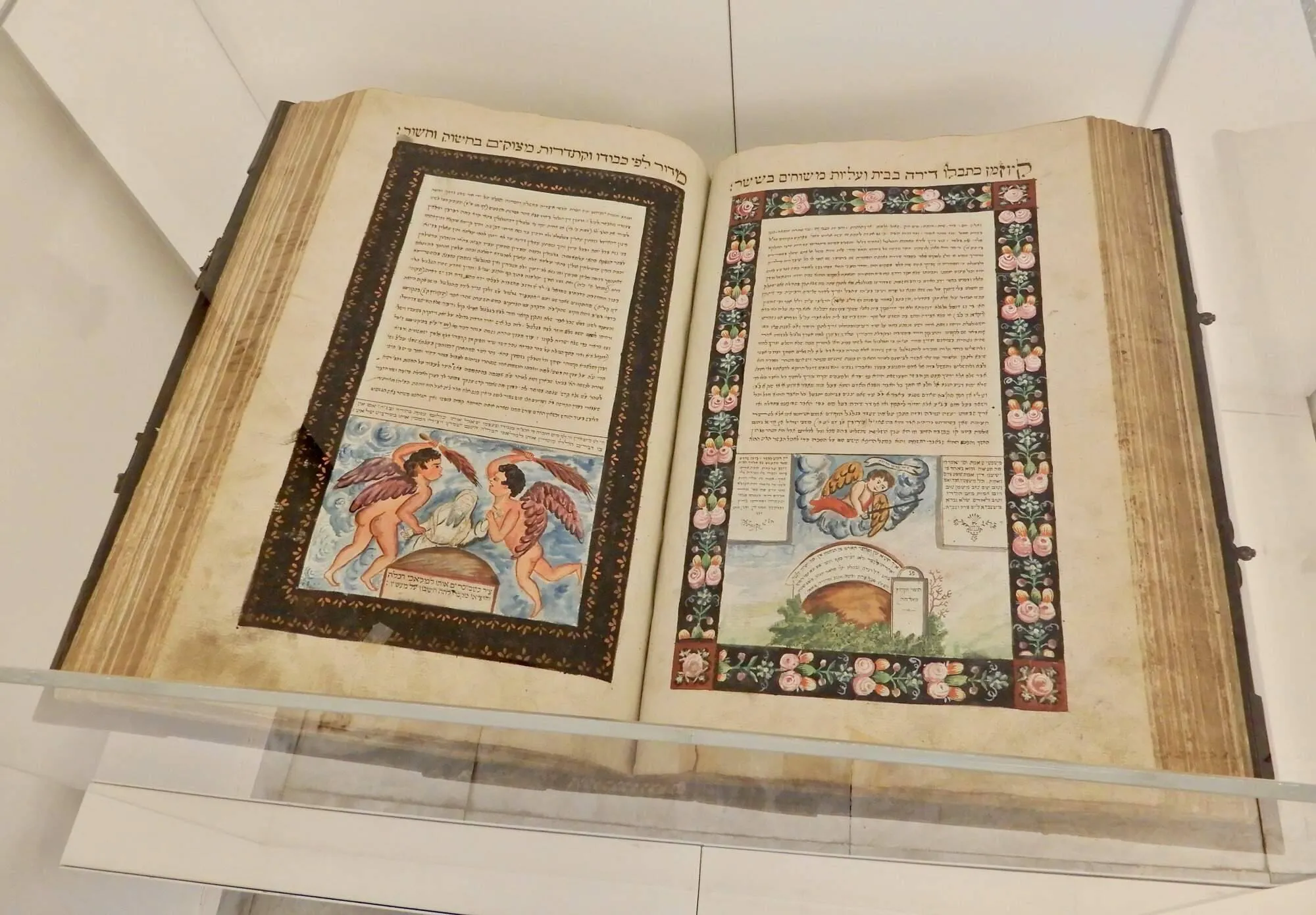
The museum can feel dense because every object carries context. The goal is not to see everything. The goal is to understand the story arc.
A Better Pace: 3 Pass Method
| Pass | Time | Focus |
|---|---|---|
| Pass 1 | 20 min | Orientation and chronology |
| Pass 2 | 30 min | Core artifacts and labels |
| Pass 3 | 15 min | Personal interests and notes |
Artifact Themes To Prioritize
- Ritual continuity and practice
- Urban community life in Budapest
- Disruption during wartime
- Postwar memory and reconstruction
Note-Taking Template
Object:
Date/period:
What it shows:
What surprised me:
Question to follow up:
If You Have Limited Time
- Do one full room slowly.
- Choose two objects that represent continuity.
- Choose two objects that represent rupture.
Then finish in the memorial park to connect object history with lived history.
Micro strategy for families
Ask each child to pick one "everyday" object and one "ceremonial" object, then compare what each reveals about identity.
著者について

Budapest Heritage Editor
このガイドは、チェックリスト的な立ち寄りを超えて、ドハーニ街シナゴーグを深く理解したい旅行者のために書かれています。実用性と歴史への感受性を両立させ、背景を踏まえた敬意ある訪問につなげることが目的です。
Tags
Museum
Artifacts
Jewish History
Budapest
Dohany
Comments (0)
Leave a Comment
Loading comments...