운영 시간10:00 AM – 06:00 PM
|월요일, 10월 12, 2026Dohany utca 2, 1074 Budapest, Hungary
돌아가기: culture
museum
Hungarian Jewish Museum Guide At Dohany Street Synagogue
Plan a meaningful museum visit with a room-by-room strategy, essential artifact themes, and pacing advice for first-time visitors.
1/28/2026
17 min read
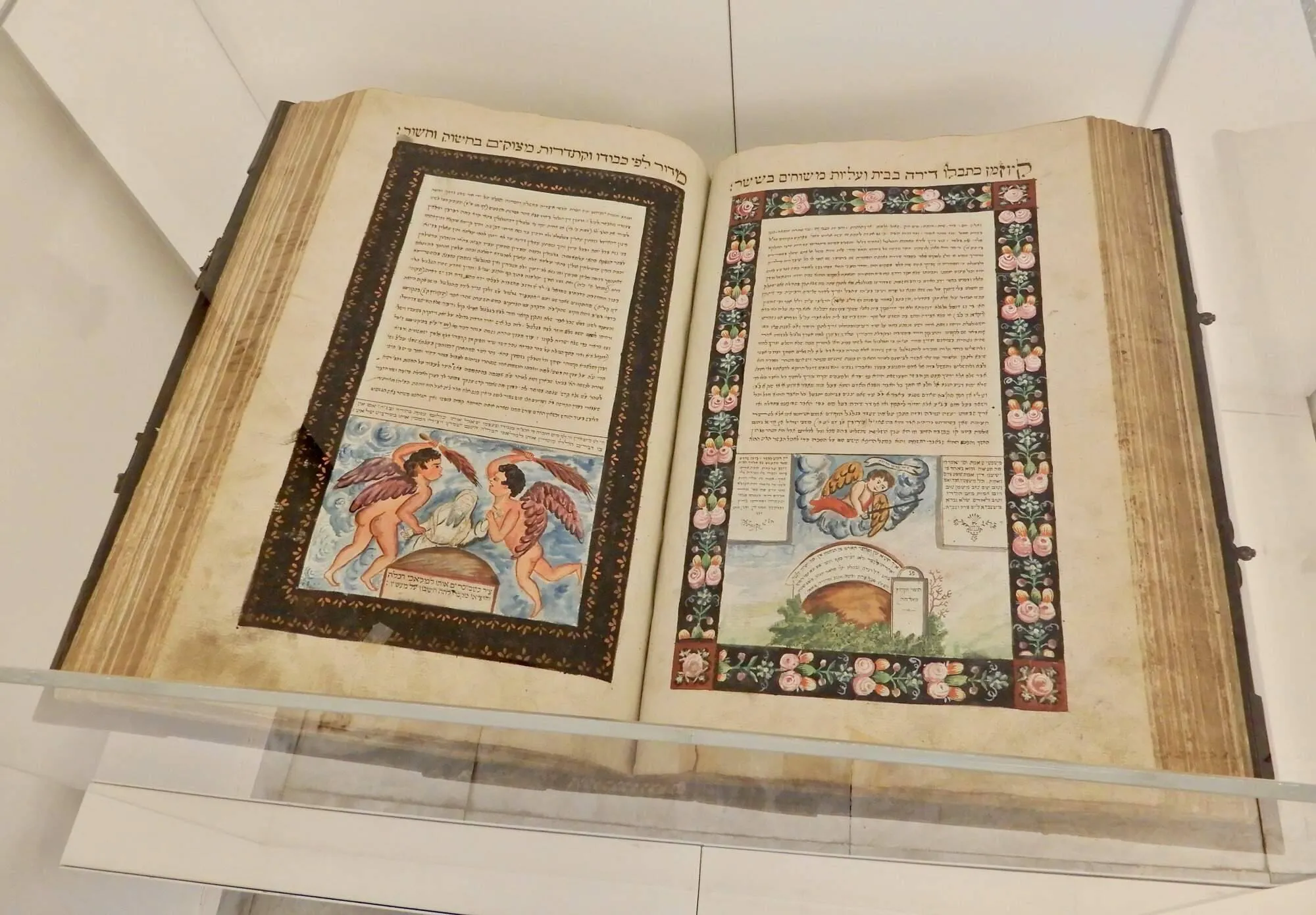
The museum can feel dense because every object carries context. The goal is not to see everything. The goal is to understand the story arc.
A Better Pace: 3 Pass Method
| Pass | Time | Focus |
|---|---|---|
| Pass 1 | 20 min | Orientation and chronology |
| Pass 2 | 30 min | Core artifacts and labels |
| Pass 3 | 15 min | Personal interests and notes |
Artifact Themes To Prioritize
- Ritual continuity and practice
- Urban community life in Budapest
- Disruption during wartime
- Postwar memory and reconstruction
Note-Taking Template
Object:
Date/period:
What it shows:
What surprised me:
Question to follow up:
If You Have Limited Time
- Do one full room slowly.
- Choose two objects that represent continuity.
- Choose two objects that represent rupture.
Then finish in the memorial park to connect object history with lived history.
Micro strategy for families
Ask each child to pick one "everyday" object and one "ceremonial" object, then compare what each reveals about identity.
저자 소개

Budapest Heritage Editor
이 가이드는 체크리스트식 방문을 넘어 도하니 거리 시나고그를 더 깊이 이해하고 싶은 여행자를 위해 작성되었습니다. 실용적 명확성과 역사적 감수성을 함께 담아, 맥락을 이해한 존중 있는 방문으로 이어지도록 돕는 것이 목표입니다.
Tags
Museum
Artifacts
Jewish History
Budapest
Dohany
Comments (0)
Leave a Comment
Loading comments...