开放时间10:00 AM – 06:00 PM
|星期一, 十月 12, 2026Dohany utca 2, 1074 Budapest, Hungary
返回 travel
tips
Common Dohany Street Synagogue Mistakes And Fixes
Learn the top mistakes visitors make at Dohany Street Synagogue and use practical fixes to improve your visit quality.
3/22/2026
14 min read
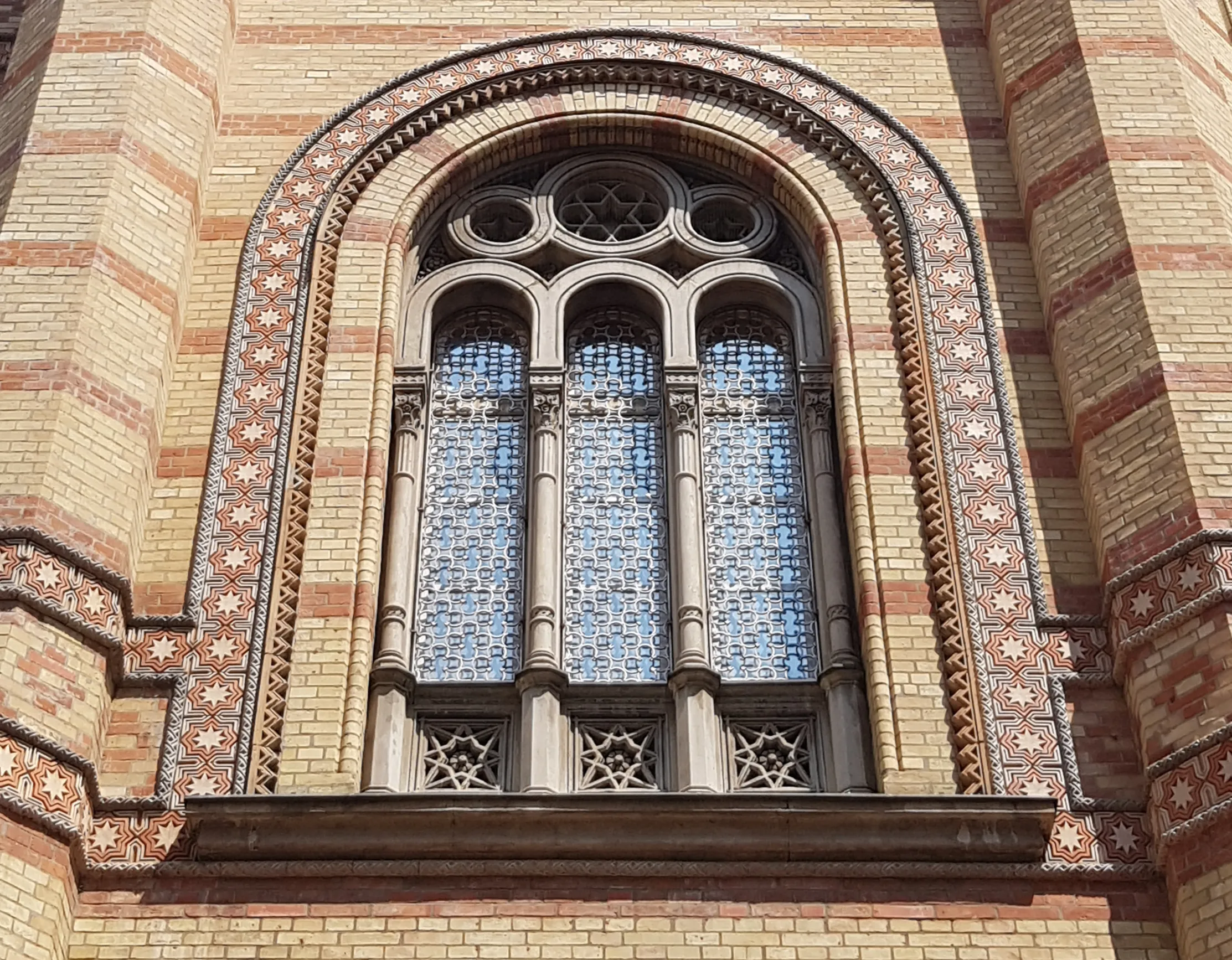
Most bad visits come from avoidable decisions. Use this list as a quick pre-trip quality check.
Top Mistakes
- Arriving late to your slot.
- Underestimating security time.
- Skipping the museum for speed.
- Treating memorial spaces like photo backdrops.
- Booking too many same-day attractions.
- Not checking weather.
- No hydration before entry.
- No buffer for transit delays.
- Ignoring official guidance on behavior.
- Rushing through labels and context.
- Visiting at peak hour by default.
- Leaving with zero reflection time.
Fix In One Line
Plan less, observe more, and protect 20 minutes for reflection.
关于作者

Budapest Heritage Editor
这份指南写给希望超越打卡式参观的旅行者。我们的目标是在实用清晰与历史敏感之间取得平衡,让你带着背景、尊重与真实好奇心进入多哈尼街犹太会堂。
Tags
Mistakes
Travel tips
Budapest
Dohany
Planning
Comments (0)
Leave a Comment
Loading comments...