Visiting timetableClosed
|Monday, August 24, 2026Dohany utca 2, 1074 Budapest, Hungary
Back to history
deep-dive
Deep History Guide To Dohany Street Synagogue
Use a historian-style method to read Dohany Street Synagogue through material evidence, chronology, and memorial context.
3/26/2026
19 min read
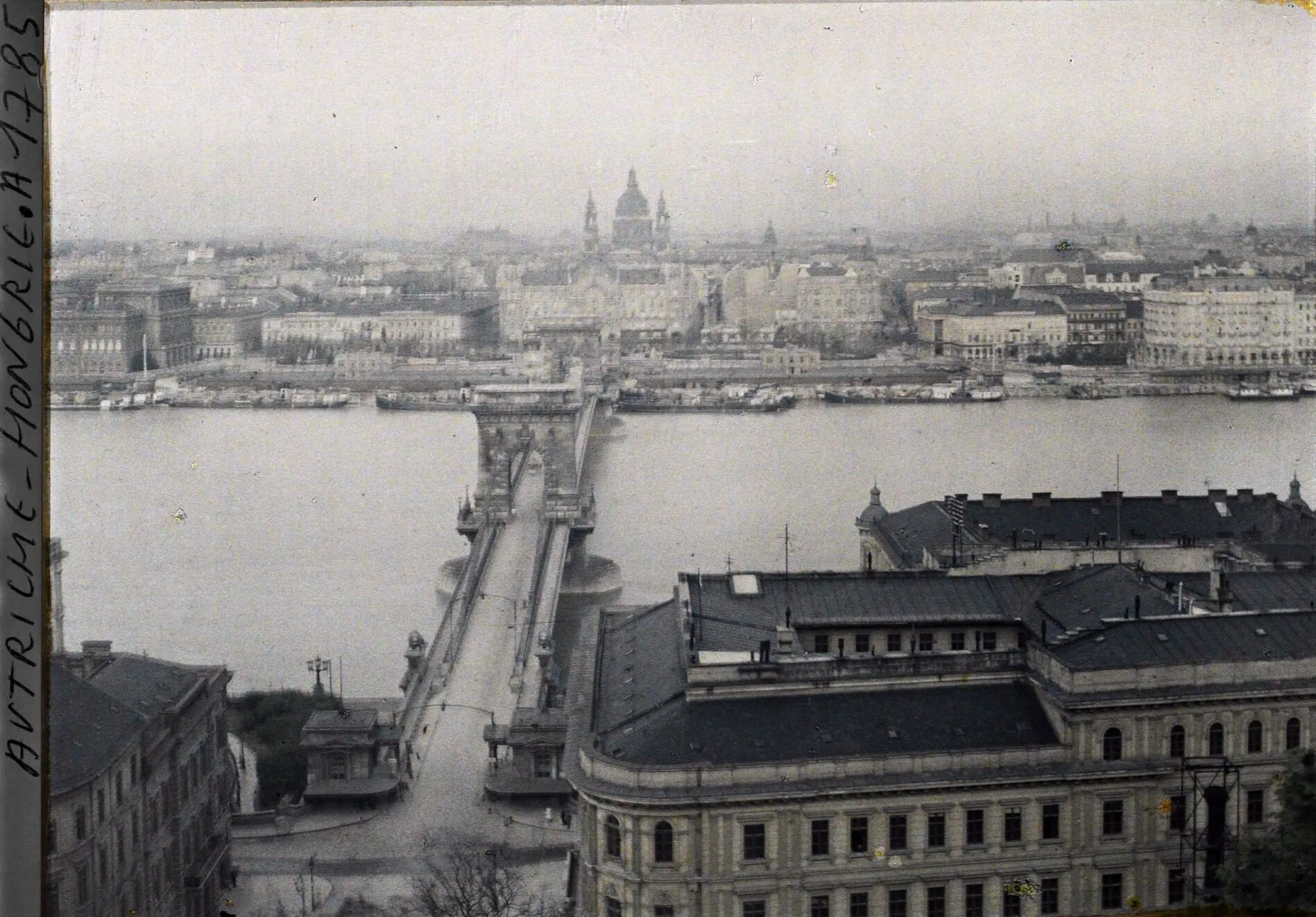
If you like historical depth, visit with a method, not just curiosity.
The 4-Layer Method
| Layer | Question |
|---|---|
| Material | What physical evidence survives? |
| Institutional | Which community structures appear? |
| Event | Where does rupture become visible? |
| Memory | How is the past curated in the present? |
Field Protocol
- Photograph with intent (evidence, not volume).
- Capture label text fragments in notes.
- Mark uncertainty with "?" for follow-up.
- Separate facts from interpretation.
Note Format
[Observation]
[Evidence]
[Interpretation]
[Question]
Why This Helps
You leave with portable understanding, not only impressions.
Deep-Dive Context
Why This Matters In Practice
- The site is not only visually important; it is historically layered.
- Most visitors gain more value from structured pacing than from speed.
- Reflection time improves retention and respect, especially in memorial zones.
Field Notes Method
| Step | Action | Outcome |
|---|---|---|
| Observe | Scan architecture, labels, and circulation | Better spatial understanding |
| Interpret | Connect objects to timeline and community life | Stronger historical clarity |
| Reflect | Capture 3 key takeaways in writing | Long-term memory of visit |
Advanced Visiting Strategy
- Front-load logistics: entry, security, and orientation.
- Alternate dense and light sections to reduce fatigue.
- End with a synthesis pause before leaving the complex.
10-Minute Synthesis Prompt
What did I notice first?
What changed after museum context?
What felt most meaningful, and why?
Practical FAQ Add-On
- How much buffer should I add? Add at least 20-30 minutes beyond your ideal schedule.
- What should I prioritize if crowded? Preserve museum interpretation and memorial time.
- How do I avoid a rushed experience? Reduce same-day attractions and protect one calm break.
Quick Checklist Before Exit
- I understood the historical timeline.
- I spent unhurried time in memorial areas.
- I captured notes, not only photos.
- I can explain one architectural detail and one historical insight.
Final Takeaway
A high-quality visit is measured by depth of understanding, not by how quickly you move. Slow sequencing, context, and respectful attention create the most meaningful experience.
About the Author

Budapest Heritage Editor
This guide was written for travelers who want to understand Dohany Street Synagogue beyond a quick checklist stop. The aim is to combine practical clarity with historical sensitivity, so you can visit with context, respect, and genuine curiosity.
Tags
Deep dive
History
Research travel
Budapest
Dohany
Comments (0)
Leave a Comment
Loading comments...