A landmark where architecture meets memory
Every facade, hall, and memorial in this complex tells part of a larger story about identity, loss, resilience, and continuity.
Table of Contents
Jewish roots in Budapest before Dohany
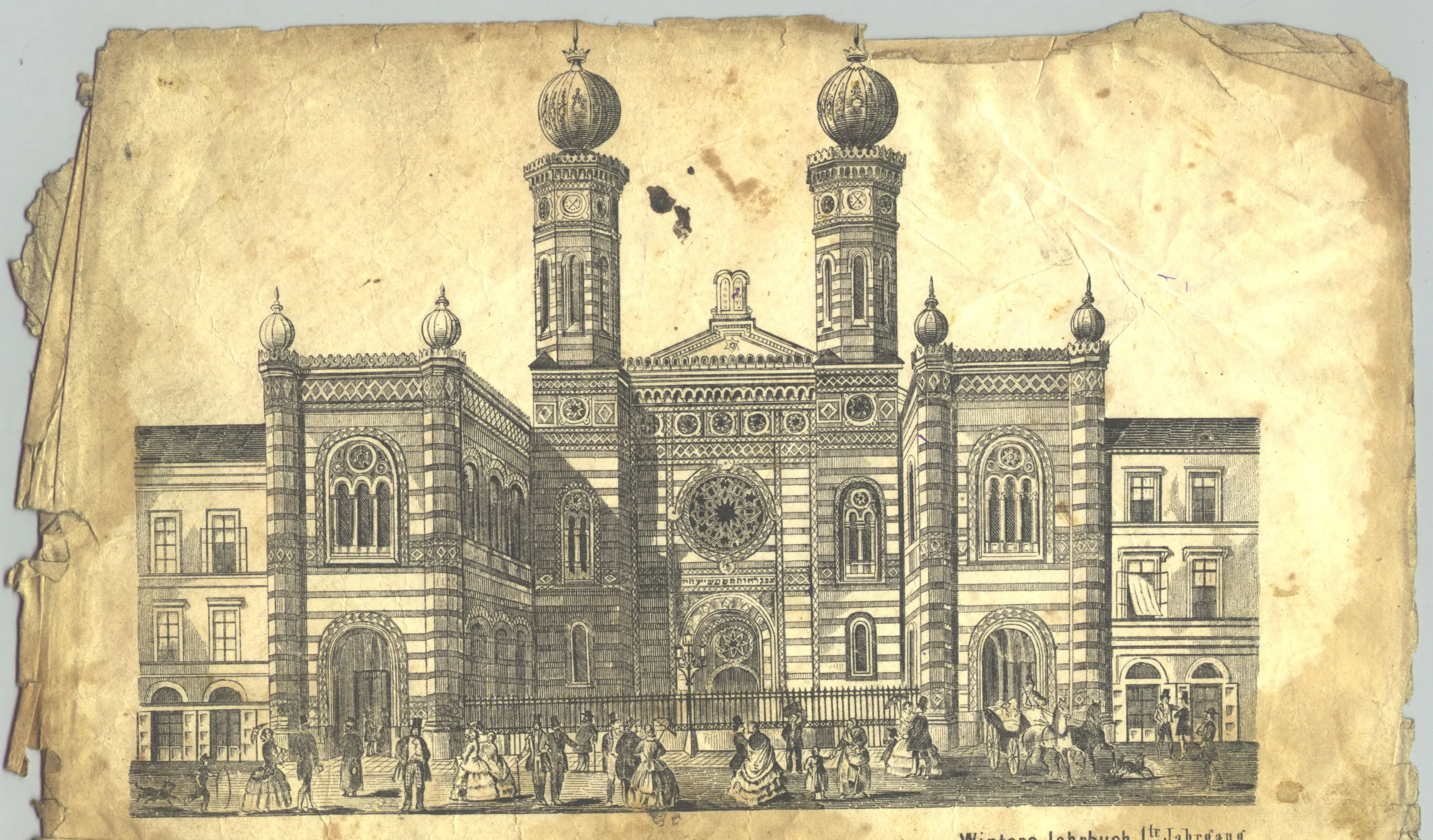
Before Dohany Street Synagogue rose above the skyline, Jewish communities in Pest and Buda had already built generations of social, religious, and commercial life under changing legal and political conditions. Their story is one of adaptation: periods of restriction followed by gradual emancipation, migration from different regions, and the formation of institutions that supported education, worship, and mutual aid. By the 19th century, Budapest was becoming a dynamic imperial city, and its Jewish citizens were active in finance, craft industries, publishing, medicine, and urban culture.
This growth was not only demographic but intellectual and civic. Families invested in schools, philanthropic societies, and cultural organizations, while debates around identity shaped modern Hungarian Jewish life in complex ways. Dohany Street Synagogue would eventually emerge from this moment: not as an isolated monument, but as an architectural declaration that Jewish presence in the city was deeply rooted, forward-looking, and inseparable from Budapest's own modernization.
Building the Great Synagogue in the 19th century
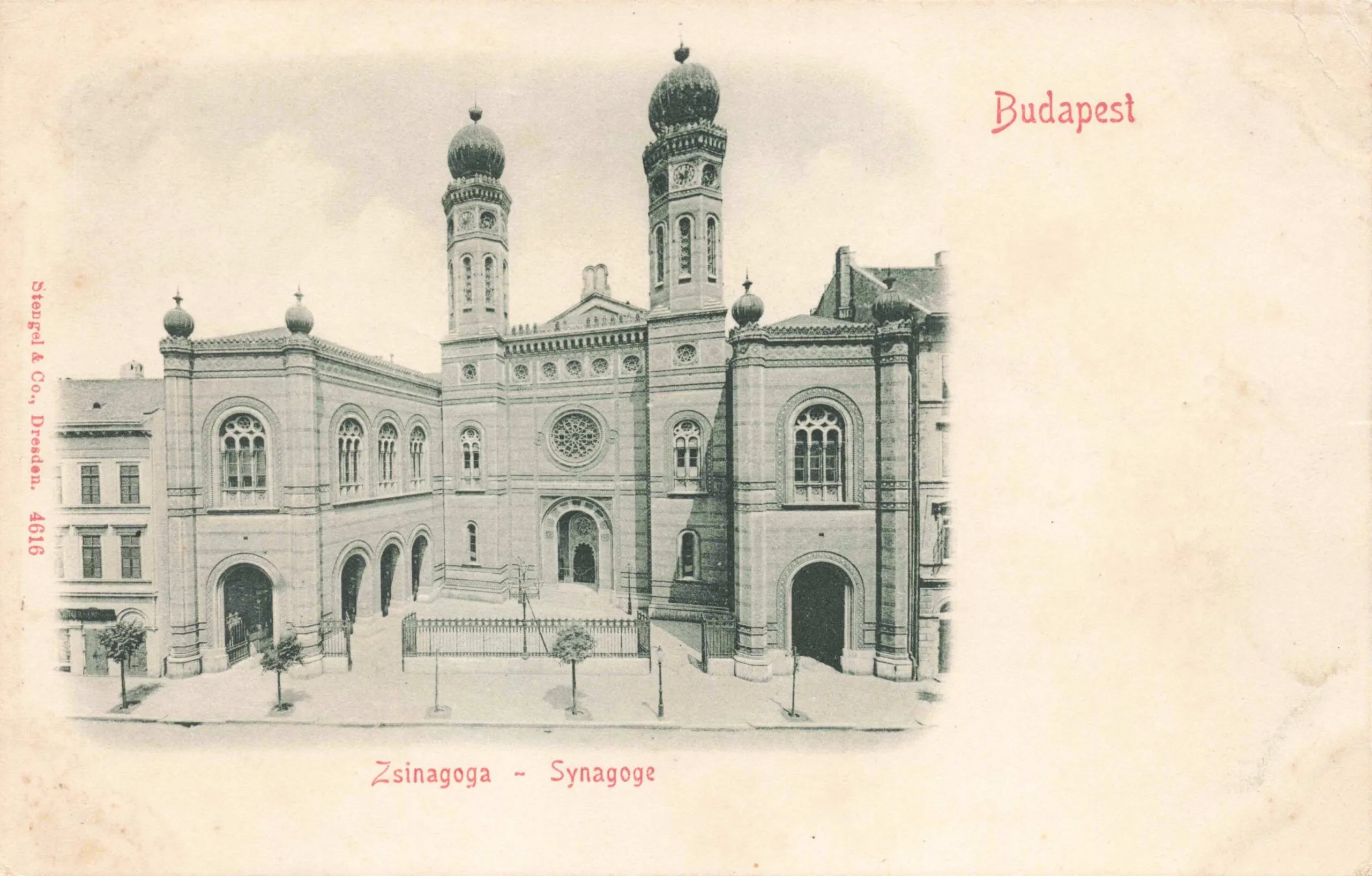
Completed in the mid-19th century, Dohany Street Synagogue was conceived at a scale that signaled confidence and civic presence. At the time, Pest was transforming rapidly into a modern urban center, and the synagogue's construction reflected both religious commitment and a desire to participate visibly in the city's evolving public life. Its location, close to major thoroughfares, ensured that the building would become part of everyday Budapest rather than hidden at its margins.
The project also represented a broader moment in European Jewish history, when many communities invested in monumental architecture that expressed belonging while preserving religious distinctiveness. Dohany achieved this balance in a striking way: unmistakably Jewish in purpose, cosmopolitan in style, and integrated into a bustling metropolitan environment that was defining itself anew.
Architecture, symbolism and community identity
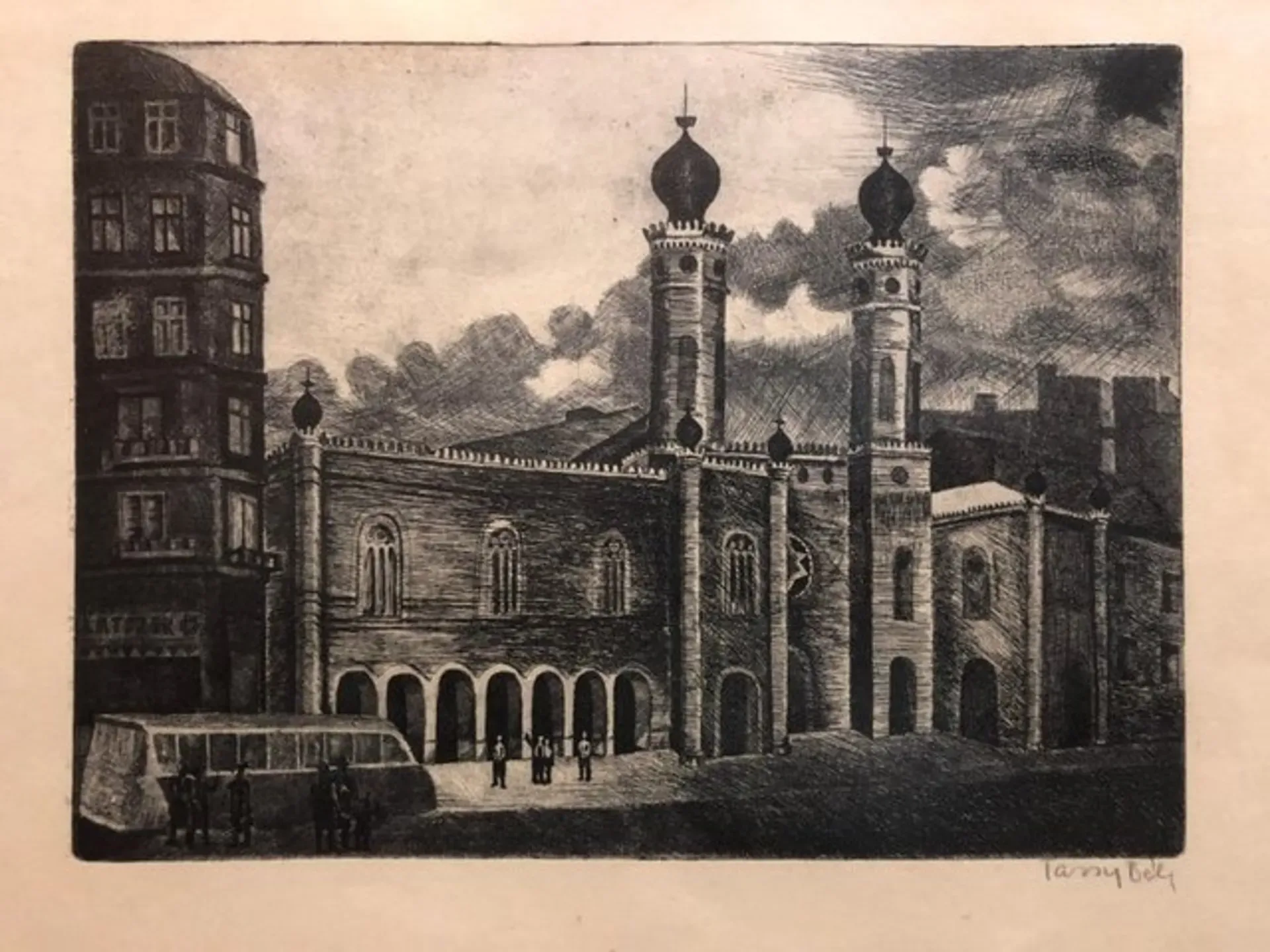
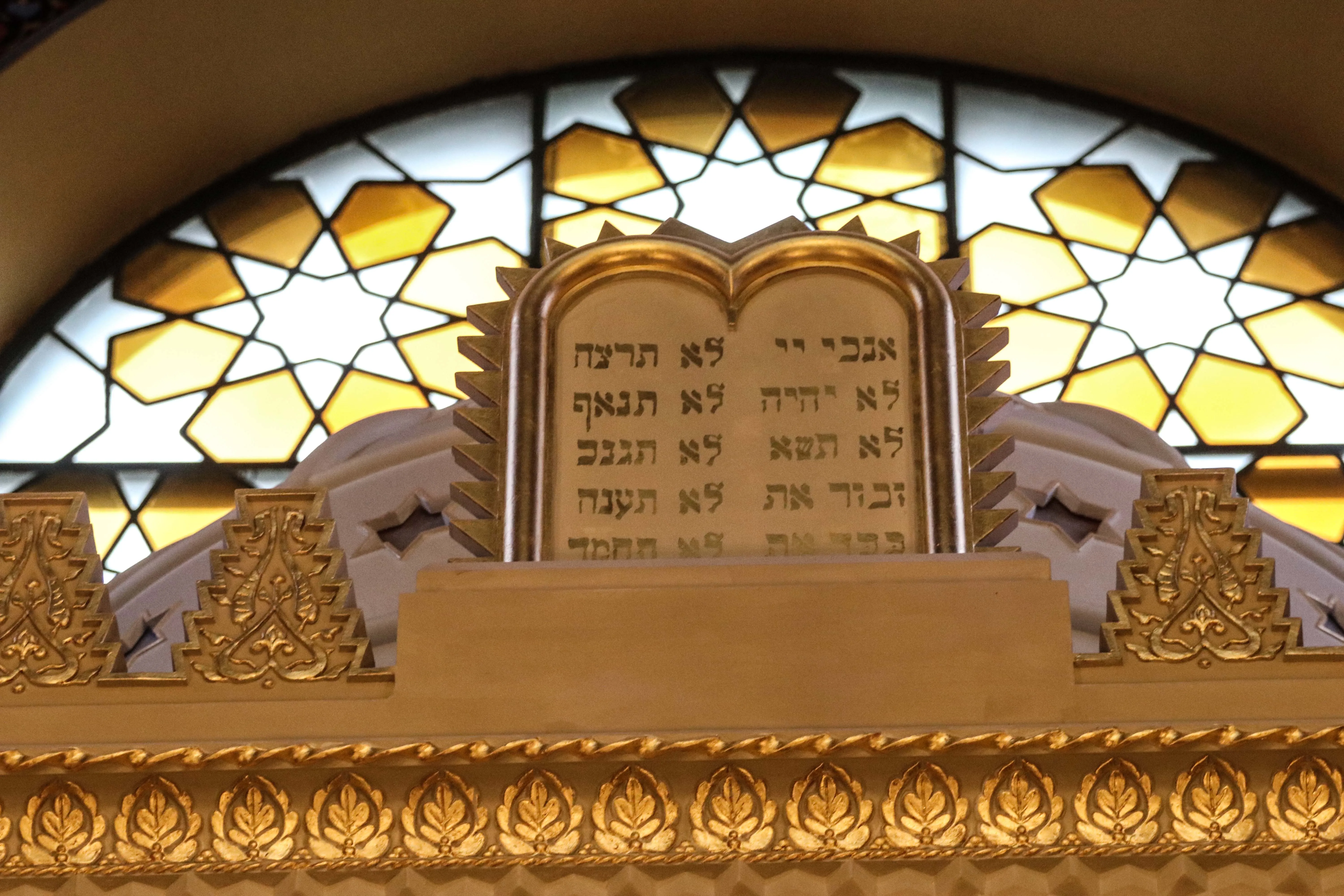
One of the first things visitors notice is the synagogue's visual language: rhythmic arches, rich ornament, and a facade often associated with Moorish Revival influences. This style was not chosen randomly. Across 19th-century Europe, similar design choices communicated continuity with broader Jewish history while also engaging contemporary architectural trends. The result at Dohany is theatrical without being superficial; every perspective line and decorative surface contributes to a sense of ceremony.
There are also fascinating details that many people miss on a quick pass. The building's vast capacity made it one of the largest synagogues in Europe and among the largest in the world. The organ, unusual in many Orthodox contexts, reflects the specific liturgical and cultural traditions of the Neolog stream in Hungary. In other words, the architecture is not just beautiful; it is a built document of theological, social, and cultural choices.
Budapest Jewish life before World War II
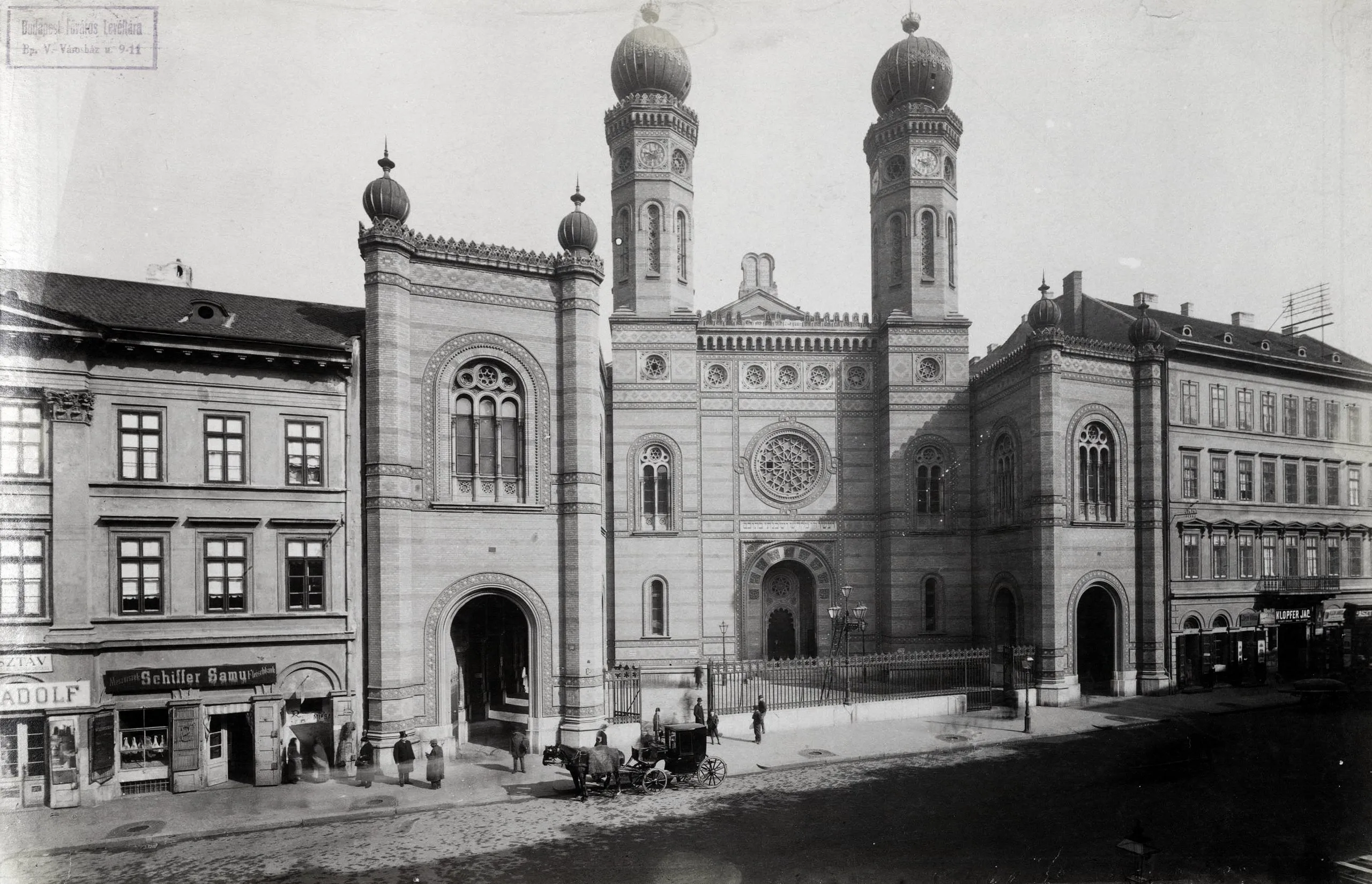
By the late 19th and early 20th centuries, Jewish life in Budapest was vibrant, diverse, and woven into the city's professional and cultural institutions. Newspapers, theaters, schools, charitable networks, and religious communities flourished in parallel. The Jewish Quarter around Dohany was not only a residential area but a social and intellectual ecosystem, where tradition and modernity were constantly negotiated.
This era produced writers, doctors, lawyers, industrialists, and artists whose influence reached far beyond local neighborhood boundaries. Walking the area today, it is easy to focus on surviving facades, but the deeper story is one of lived urban texture: weddings, market days, classrooms, public debates, and ordinary family routines unfolding against a backdrop of rapid modernization.
The war years and the ghetto period
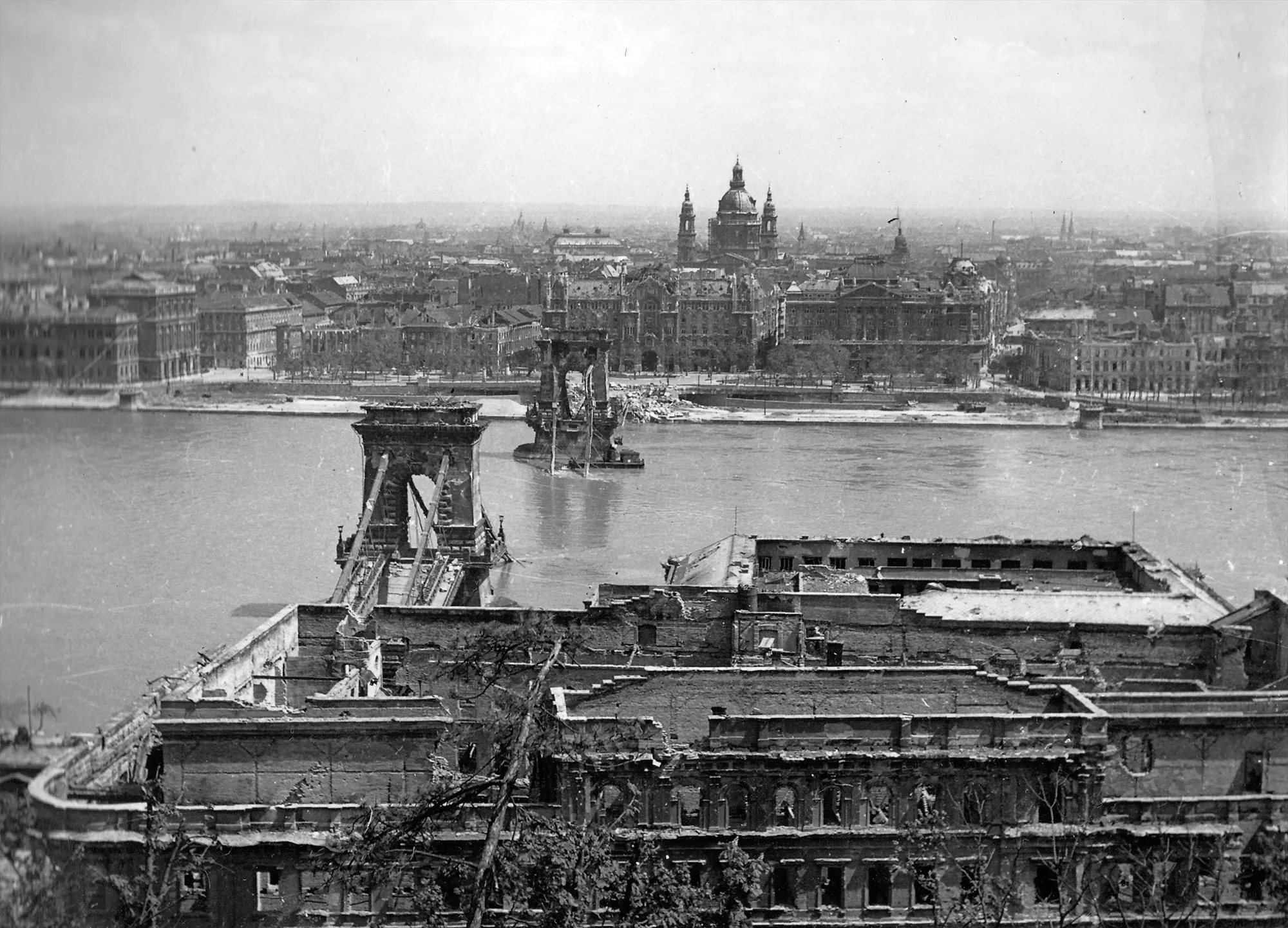
The most painful chapters came during World War II, when anti-Jewish laws escalated into persecution, deportation, and mass murder. In Budapest, many people were forced into brutal conditions, including the ghetto established in the Jewish Quarter. Dohany Street Synagogue and surrounding streets became part of a landscape marked by hunger, fear, overcrowding, and constant uncertainty.
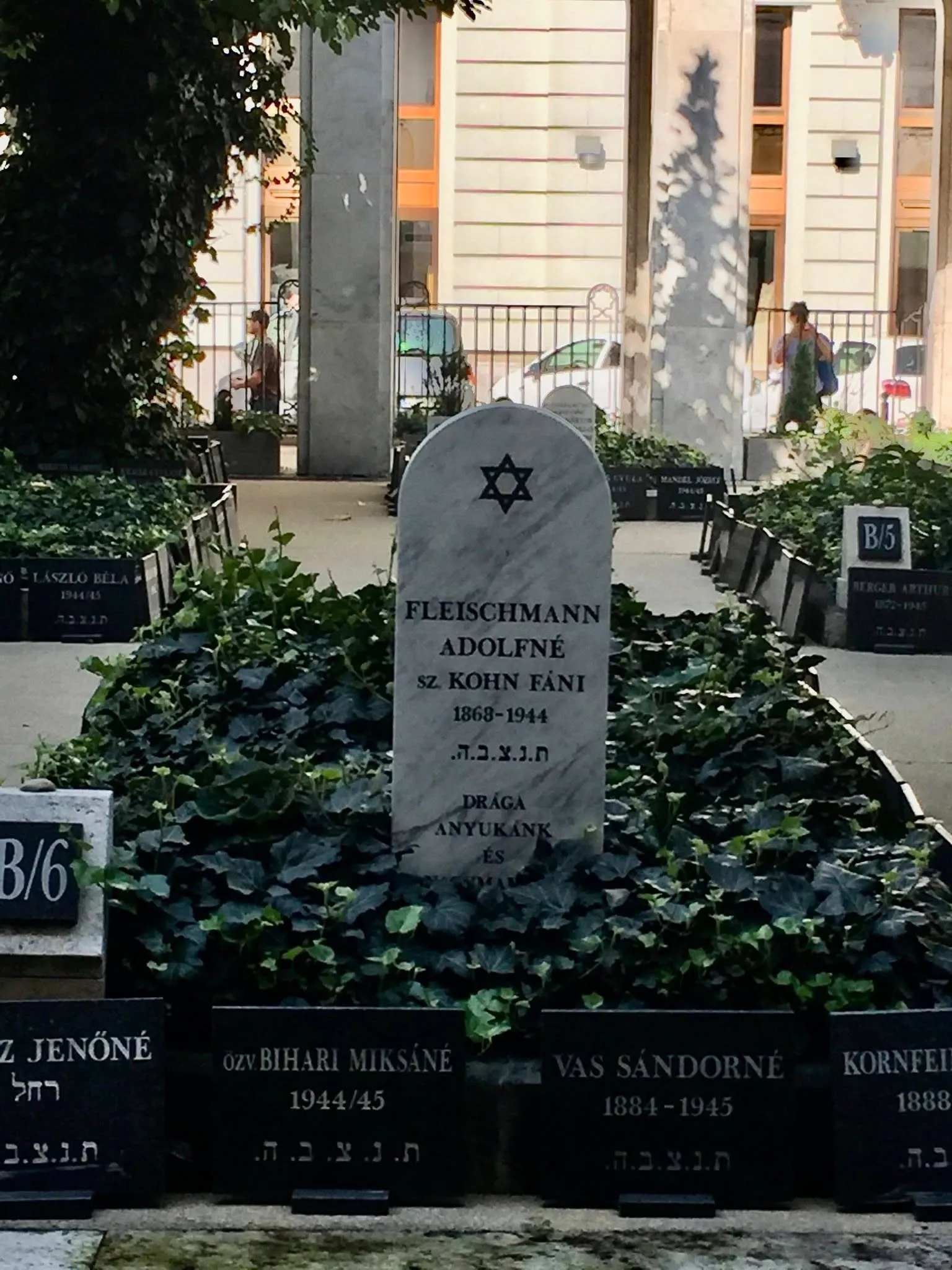
Statistics are essential, but they never fully convey the human scale of what happened. Families were separated overnight, names disappeared from doorbells, and familiar urban spaces became zones of danger. The memorial areas at Dohany are powerful precisely because they reconnect abstract history with personal loss.
Loss, survival and postwar uncertainty
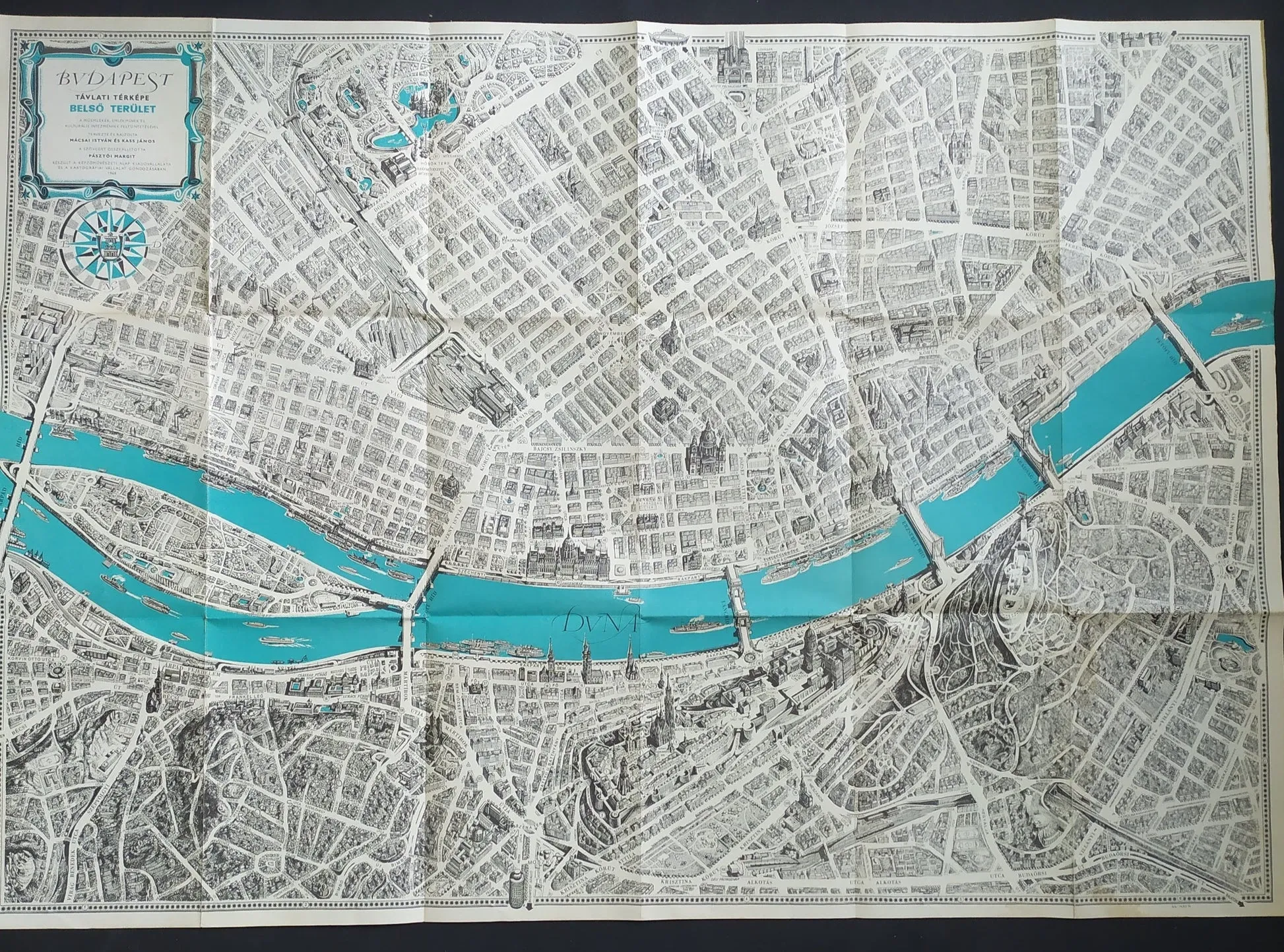
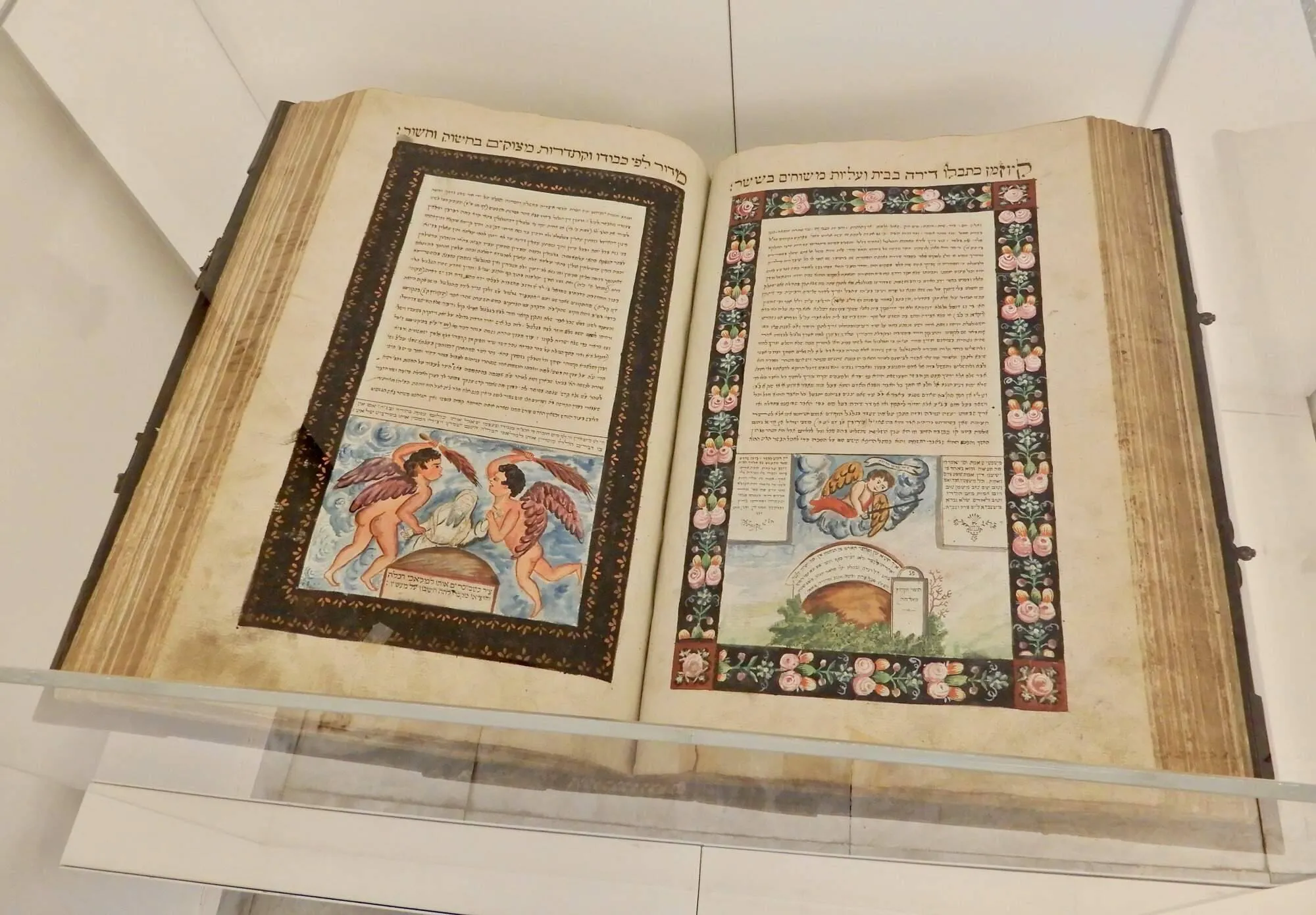
After the war, survivors faced the difficult work of rebuilding life in a city filled with absence. Communities had to restore religious practice, recover records, support orphans, and process trauma while political realities in postwar Hungary introduced new constraints and uncertainties. Synagogues and community institutions carried both spiritual and practical burdens.
Dohany Street Synagogue endured this era as a fragile anchor of continuity. Even when broader public narratives shifted, the site preserved memory through ritual, gathering, and documentation. That continuity is part of what makes a contemporary visit so moving: you are standing in a place that not only witnessed history, but also held community life together through rupture.
Memorial spaces and collective remembrance
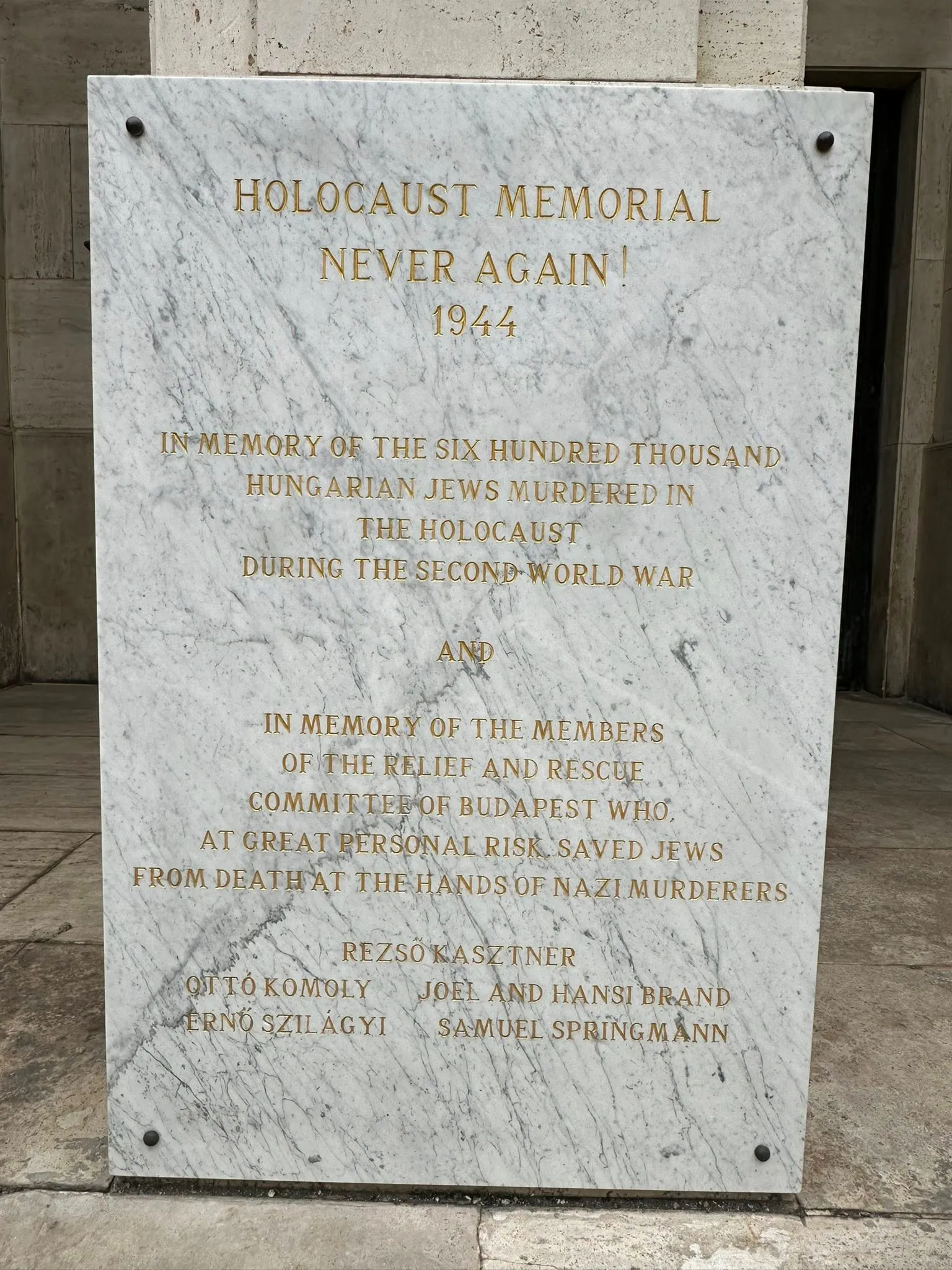
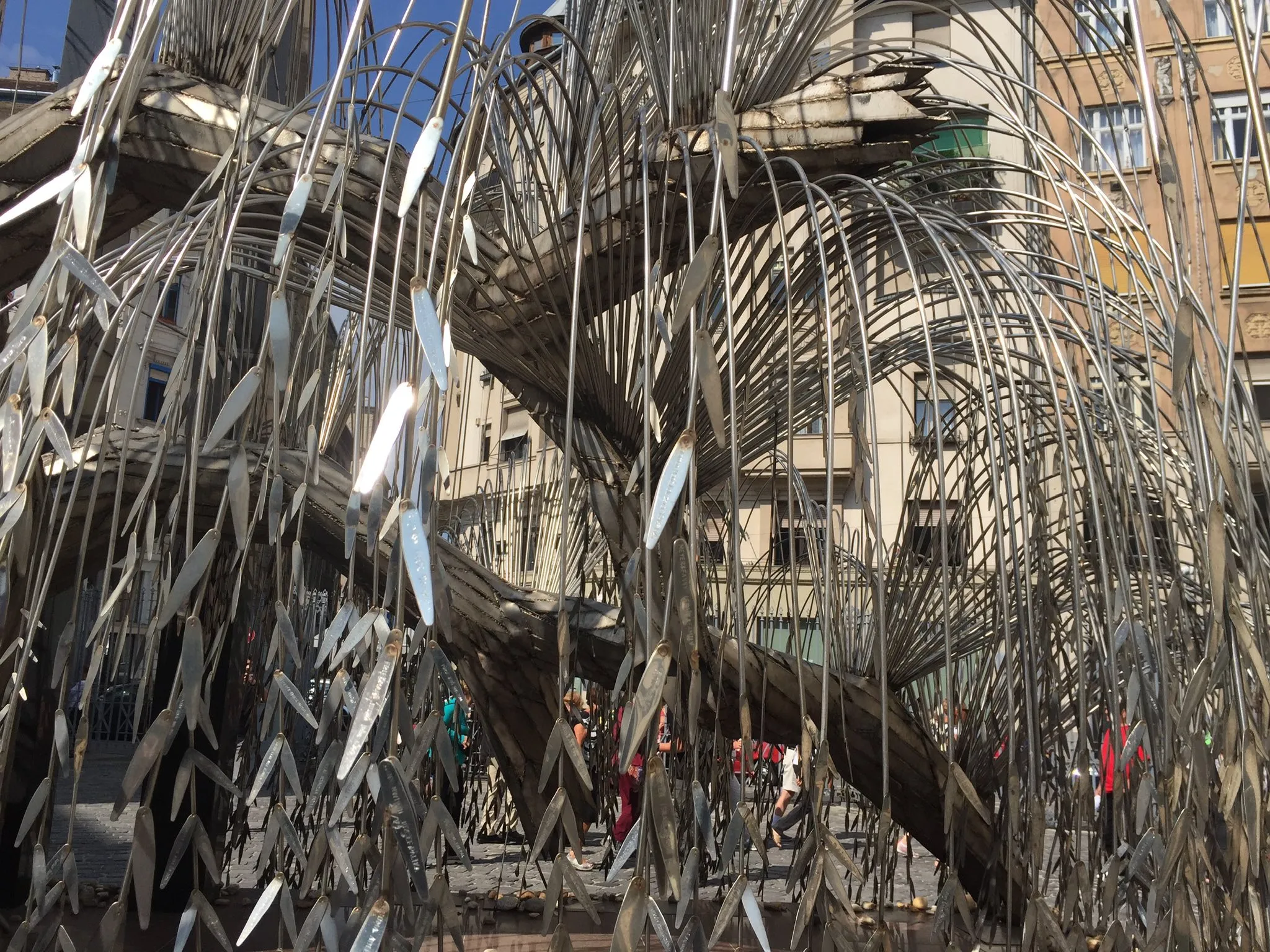
One of the most recognized features of the complex is the memorial sculpture shaped like a weeping willow, its metallic leaves inscribed with names. Seen in person, it is quieter and more intimate than photos suggest. Visitors often walk around it slowly, tracing inscriptions, pausing in silence, and absorbing the weight of individual lives represented in a collective form.
These memorial elements are not decorative additions but central components of the site's purpose today. They connect liturgical space, museum interpretation, and public memory into one coherent experience. In this sense, Dohany is both a house of prayer and a place of historical responsibility.
Religion, tourism and respectful visiting today
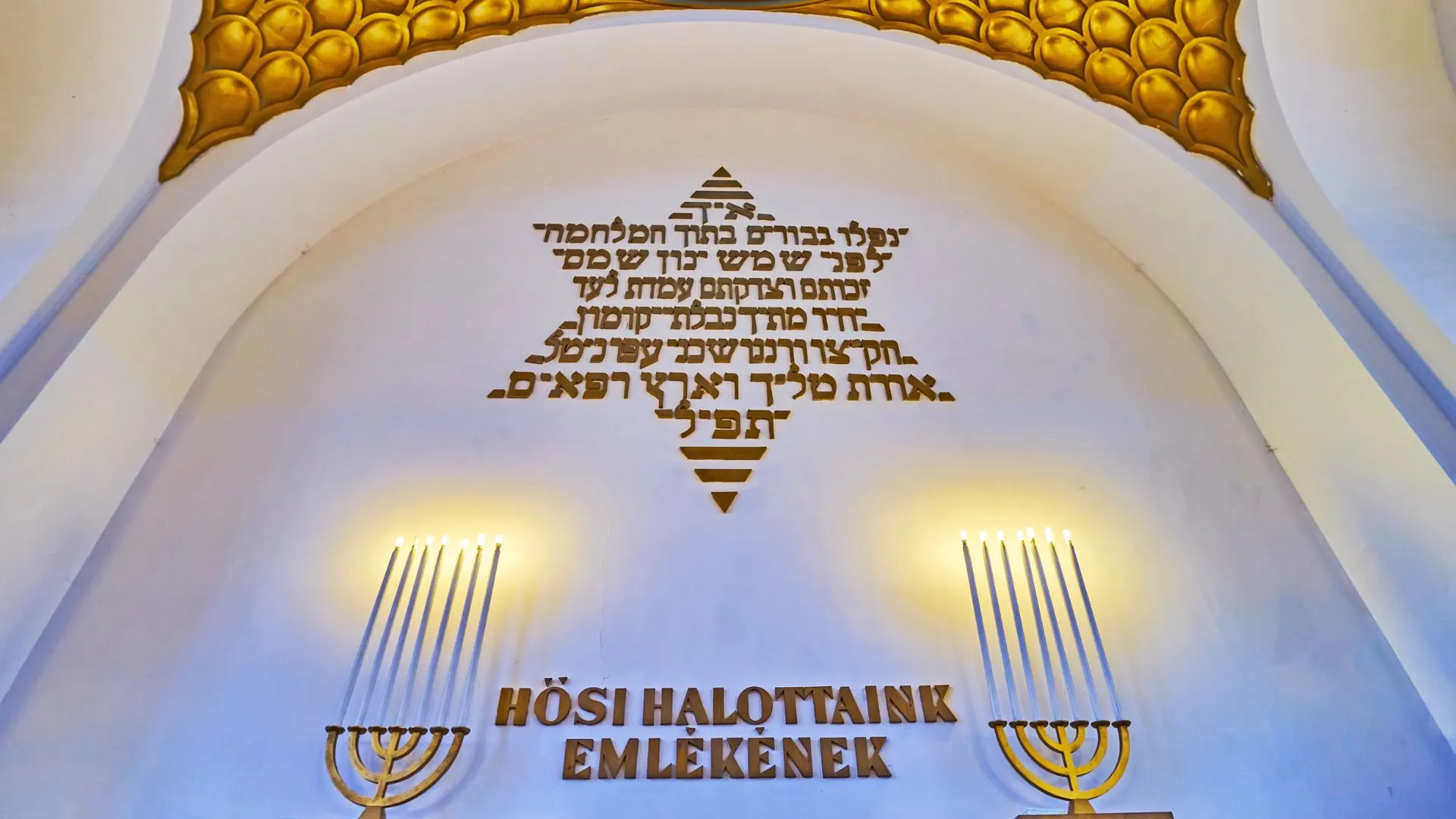
Today, Dohany Street Synagogue welcomes international visitors while remaining an active religious and communal space. That dual role is what makes visitor behavior important. A respectful tone, appropriate attire, and thoughtful use of cameras help preserve the atmosphere for worshippers, descendants, and local community members.
Security procedures are part of contemporary reality at many Jewish institutions in Europe, including here. Approaching these checks with patience and understanding contributes to a smoother experience for everyone. In return, you gain access to one of the continent's most important places of Jewish memory and continuity.
The Jewish Quarter beyond one monument
Although Dohany is the centerpiece, the surrounding neighborhood adds essential context. Nearby streets contain additional synagogues, memorial plaques, kosher and Jewish-inspired restaurants, cultural venues, and traces of different historical periods layered side by side. Exploring this wider district helps visitors understand that Jewish history in Budapest is not confined to a single building.
The quarter has also become one of Budapest's most visited urban areas, blending heritage tourism with contemporary nightlife and creative industries. This contrast can feel striking, but it reflects the city's ongoing negotiation between remembrance and reinvention. A thoughtful itinerary can hold both realities without flattening either one.
Practical context for first-time visitors
First-time visitors often underestimate how much there is to absorb here. A practical approach is to choose one anchor experience, such as a guided entry, then leave room for unstructured time in the museum and memorial garden. That pacing helps avoid information fatigue and allows emotional processing, which is an important part of visiting heritage sites connected to traumatic history.
It is also useful to check practical rules in advance: expected dress standards, photography permissions, bag policy, and final admission times. These details may seem minor, but they shape the quality of your experience and help ensure your visit is respectful from start to finish.
Preservation challenges and restoration work
Maintaining a 19th-century monument of this size requires constant conservation effort. Structural systems, decorative finishes, climate control, and archival protection all demand careful investment and specialist expertise. Preservation here is not a one-time project but an ongoing process that balances authenticity, safety, and modern visitor needs.
Support from institutions, community organizations, and visitors helps sustain that work over the long term. When you purchase official entry, follow site guidelines, and engage thoughtfully with interpretation materials, you contribute in small but meaningful ways to the protection of a major European heritage site.
Interesting facts and little-known details
A fact many visitors find surprising is the synagogue's extraordinary scale: it is frequently listed among the largest synagogues in the world. Another detail is stylistic: the Moorish-inspired facade and interior were part of a broader 19th-century visual language used in several prominent Jewish buildings across Europe. You may also notice that the complex combines worship, museum, and memorial functions in a way that is relatively rare at this scale.
Another memorable element is how strongly place and history overlap here. Within a short walking radius, you can encounter sites linked to religious life, wartime persecution, rescue efforts, and postwar remembrance. This density of history is one reason the Dohany area continues to attract scholars, descendants, and curious travelers from around the world.
Why Dohany still matters in modern Europe
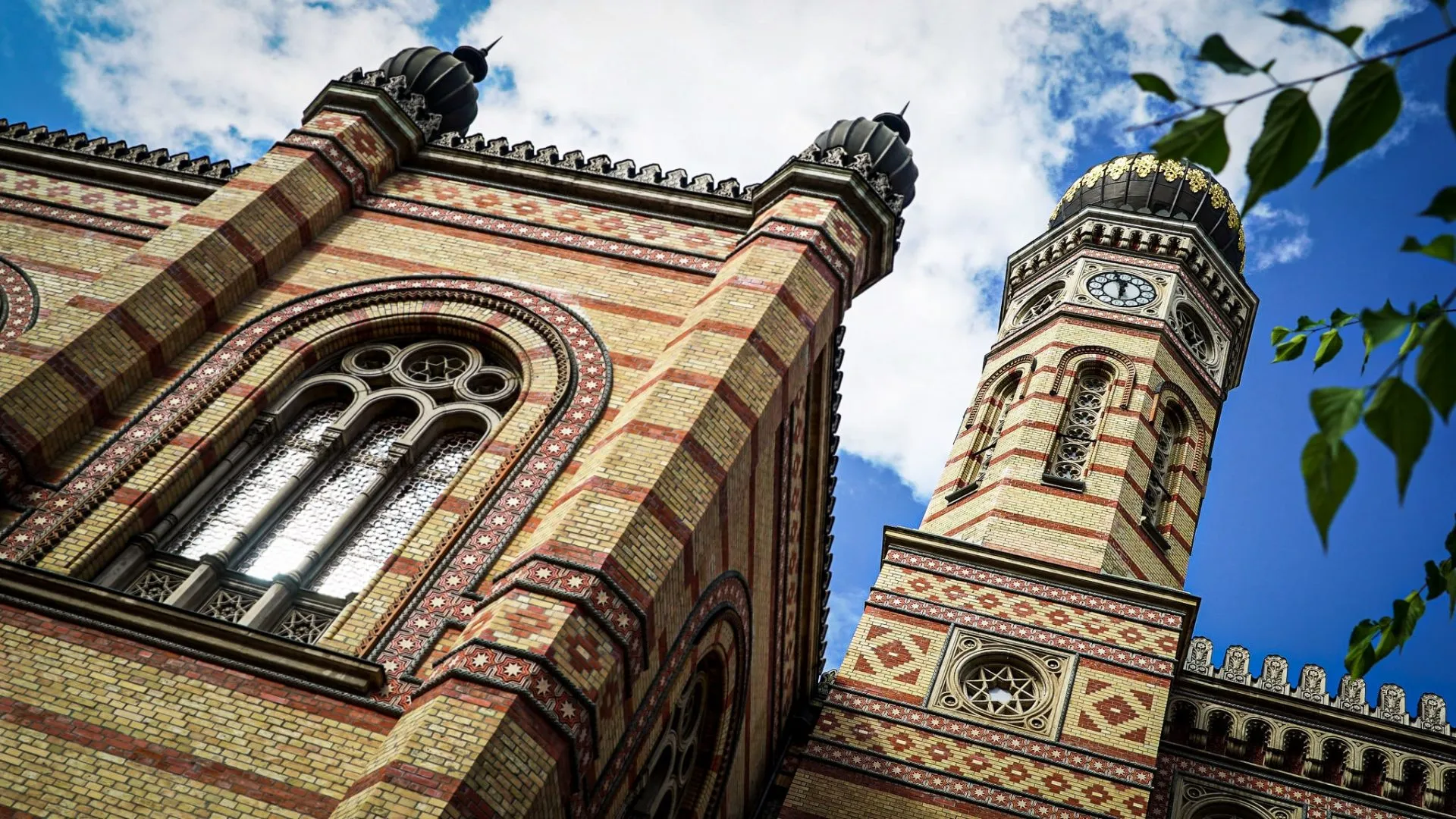
Dohany Street Synagogue matters today not only because of its beauty or size, but because it stands at the intersection of difficult memory and active civic life. It reminds visitors that Jewish history in Central Europe is not an abstract chapter in a textbook; it is tied to real streets, families, rituals, and communities whose legacies remain visible and contested in the present.
A careful visit can therefore become more than sightseeing. It can be an encounter with questions that remain urgent across Europe: how to preserve minority heritage, how to commemorate trauma responsibly, and how to keep public memory human rather than purely symbolic. Dohany offers no simplistic answers, but it offers a place where those questions can be faced honestly.
Table of Contents
Jewish roots in Budapest before Dohany
Before Dohany Street Synagogue rose above the skyline, Jewish communities in Pest and Buda had already built generations of social, religious, and commercial life under changing legal and political conditions. Their story is one of adaptation: periods of restriction followed by gradual emancipation, migration from different regions, and the formation of institutions that supported education, worship, and mutual aid. By the 19th century, Budapest was becoming a dynamic imperial city, and its Jewish citizens were active in finance, craft industries, publishing, medicine, and urban culture.
This growth was not only demographic but intellectual and civic. Families invested in schools, philanthropic societies, and cultural organizations, while debates around identity shaped modern Hungarian Jewish life in complex ways. Dohany Street Synagogue would eventually emerge from this moment: not as an isolated monument, but as an architectural declaration that Jewish presence in the city was deeply rooted, forward-looking, and inseparable from Budapest's own modernization.
Building the Great Synagogue in the 19th century
Completed in the mid-19th century, Dohany Street Synagogue was conceived at a scale that signaled confidence and civic presence. At the time, Pest was transforming rapidly into a modern urban center, and the synagogue's construction reflected both religious commitment and a desire to participate visibly in the city's evolving public life. Its location, close to major thoroughfares, ensured that the building would become part of everyday Budapest rather than hidden at its margins.
The project also represented a broader moment in European Jewish history, when many communities invested in monumental architecture that expressed belonging while preserving religious distinctiveness. Dohany achieved this balance in a striking way: unmistakably Jewish in purpose, cosmopolitan in style, and integrated into a bustling metropolitan environment that was defining itself anew.
Architecture, symbolism and community identity
One of the first things visitors notice is the synagogue's visual language: rhythmic arches, rich ornament, and a facade often associated with Moorish Revival influences. This style was not chosen randomly. Across 19th-century Europe, similar design choices communicated continuity with broader Jewish history while also engaging contemporary architectural trends. The result at Dohany is theatrical without being superficial; every perspective line and decorative surface contributes to a sense of ceremony.
There are also fascinating details that many people miss on a quick pass. The building's vast capacity made it one of the largest synagogues in Europe and among the largest in the world. The organ, unusual in many Orthodox contexts, reflects the specific liturgical and cultural traditions of the Neolog stream in Hungary. In other words, the architecture is not just beautiful; it is a built document of theological, social, and cultural choices.
Budapest Jewish life before World War II
By the late 19th and early 20th centuries, Jewish life in Budapest was vibrant, diverse, and woven into the city's professional and cultural institutions. Newspapers, theaters, schools, charitable networks, and religious communities flourished in parallel. The Jewish Quarter around Dohany was not only a residential area but a social and intellectual ecosystem, where tradition and modernity were constantly negotiated.
This era produced writers, doctors, lawyers, industrialists, and artists whose influence reached far beyond local neighborhood boundaries. Walking the area today, it is easy to focus on surviving facades, but the deeper story is one of lived urban texture: weddings, market days, classrooms, public debates, and ordinary family routines unfolding against a backdrop of rapid modernization.
The war years and the ghetto period
The most painful chapters came during World War II, when anti-Jewish laws escalated into persecution, deportation, and mass murder. In Budapest, many people were forced into brutal conditions, including the ghetto established in the Jewish Quarter. Dohany Street Synagogue and surrounding streets became part of a landscape marked by hunger, fear, overcrowding, and constant uncertainty.
Statistics are essential, but they never fully convey the human scale of what happened. Families were separated overnight, names disappeared from doorbells, and familiar urban spaces became zones of danger. The memorial areas at Dohany are powerful precisely because they reconnect abstract history with personal loss.
Loss, survival and postwar uncertainty
After the war, survivors faced the difficult work of rebuilding life in a city filled with absence. Communities had to restore religious practice, recover records, support orphans, and process trauma while political realities in postwar Hungary introduced new constraints and uncertainties. Synagogues and community institutions carried both spiritual and practical burdens.
Dohany Street Synagogue endured this era as a fragile anchor of continuity. Even when broader public narratives shifted, the site preserved memory through ritual, gathering, and documentation. That continuity is part of what makes a contemporary visit so moving: you are standing in a place that not only witnessed history, but also held community life together through rupture.
Memorial spaces and collective remembrance
One of the most recognized features of the complex is the memorial sculpture shaped like a weeping willow, its metallic leaves inscribed with names. Seen in person, it is quieter and more intimate than photos suggest. Visitors often walk around it slowly, tracing inscriptions, pausing in silence, and absorbing the weight of individual lives represented in a collective form.
These memorial elements are not decorative additions but central components of the site's purpose today. They connect liturgical space, museum interpretation, and public memory into one coherent experience. In this sense, Dohany is both a house of prayer and a place of historical responsibility.
Religion, tourism and respectful visiting today
Today, Dohany Street Synagogue welcomes international visitors while remaining an active religious and communal space. That dual role is what makes visitor behavior important. A respectful tone, appropriate attire, and thoughtful use of cameras help preserve the atmosphere for worshippers, descendants, and local community members.
Security procedures are part of contemporary reality at many Jewish institutions in Europe, including here. Approaching these checks with patience and understanding contributes to a smoother experience for everyone. In return, you gain access to one of the continent's most important places of Jewish memory and continuity.
The Jewish Quarter beyond one monument
Although Dohany is the centerpiece, the surrounding neighborhood adds essential context. Nearby streets contain additional synagogues, memorial plaques, kosher and Jewish-inspired restaurants, cultural venues, and traces of different historical periods layered side by side. Exploring this wider district helps visitors understand that Jewish history in Budapest is not confined to a single building.
The quarter has also become one of Budapest's most visited urban areas, blending heritage tourism with contemporary nightlife and creative industries. This contrast can feel striking, but it reflects the city's ongoing negotiation between remembrance and reinvention. A thoughtful itinerary can hold both realities without flattening either one.
Practical context for first-time visitors
First-time visitors often underestimate how much there is to absorb here. A practical approach is to choose one anchor experience, such as a guided entry, then leave room for unstructured time in the museum and memorial garden. That pacing helps avoid information fatigue and allows emotional processing, which is an important part of visiting heritage sites connected to traumatic history.
It is also useful to check practical rules in advance: expected dress standards, photography permissions, bag policy, and final admission times. These details may seem minor, but they shape the quality of your experience and help ensure your visit is respectful from start to finish.
Preservation challenges and restoration work
Maintaining a 19th-century monument of this size requires constant conservation effort. Structural systems, decorative finishes, climate control, and archival protection all demand careful investment and specialist expertise. Preservation here is not a one-time project but an ongoing process that balances authenticity, safety, and modern visitor needs.
Support from institutions, community organizations, and visitors helps sustain that work over the long term. When you purchase official entry, follow site guidelines, and engage thoughtfully with interpretation materials, you contribute in small but meaningful ways to the protection of a major European heritage site.
Interesting facts and little-known details
A fact many visitors find surprising is the synagogue's extraordinary scale: it is frequently listed among the largest synagogues in the world. Another detail is stylistic: the Moorish-inspired facade and interior were part of a broader 19th-century visual language used in several prominent Jewish buildings across Europe. You may also notice that the complex combines worship, museum, and memorial functions in a way that is relatively rare at this scale.
Another memorable element is how strongly place and history overlap here. Within a short walking radius, you can encounter sites linked to religious life, wartime persecution, rescue efforts, and postwar remembrance. This density of history is one reason the Dohany area continues to attract scholars, descendants, and curious travelers from around the world.
Why Dohany still matters in modern Europe
Dohany Street Synagogue matters today not only because of its beauty or size, but because it stands at the intersection of difficult memory and active civic life. It reminds visitors that Jewish history in Central Europe is not an abstract chapter in a textbook; it is tied to real streets, families, rituals, and communities whose legacies remain visible and contested in the present.
A careful visit can therefore become more than sightseeing. It can be an encounter with questions that remain urgent across Europe: how to preserve minority heritage, how to commemorate trauma responsibly, and how to keep public memory human rather than purely symbolic. Dohany offers no simplistic answers, but it offers a place where those questions can be faced honestly.